Breathing Trouble at Night, Bedroom Trouble by Day: The Sleep Apnea and Erectile Dysfunction Connection Most Men Never Consider
For many men, erectile dysfunction arrives without an obvious explanation. Diet is reasonable. Exercise is consistent. Stress, while present, feels manageable. Yet the problem persists—and standard treatments seem to underperform. What those men may not realize is that the answer could be hiding in how they breathe while they sleep.
Obstructive sleep apnea (OSA) affects an estimated 30 million Americans, yet a significant portion of those cases remain undiagnosed. It is a condition defined by repeated pauses in breathing during sleep—sometimes dozens or even hundreds of times per night—each one triggering a cascade of physiological disruptions that extend far beyond fatigue. Among the most consequential of those disruptions is erectile dysfunction.
Understanding this connection is not merely academic. For men who have struggled with ED and found little relief from standard interventions, sleep apnea screening may represent the missing diagnostic step their care has lacked.
What Happens to Your Body When You Stop Breathing at Night
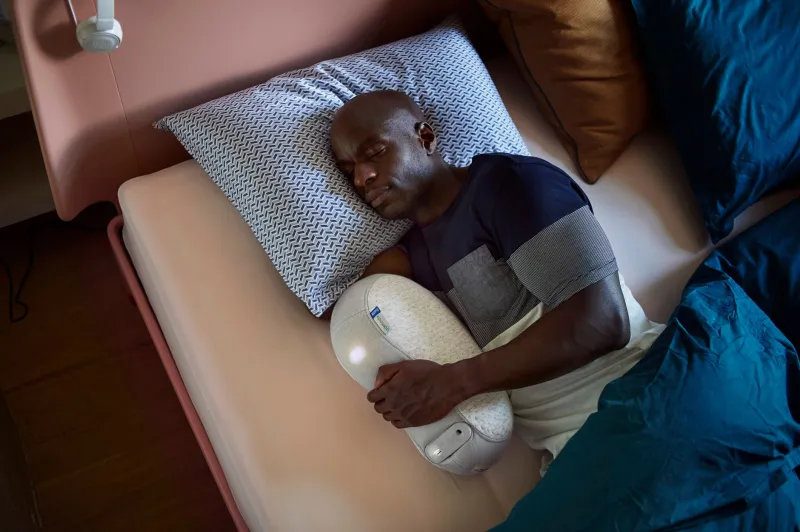
Each apnea event—a temporary cessation of airflow—forces the body into a low-grade emergency response. Oxygen saturation in the blood drops. The brain, interpreting this as a threat, triggers the release of stress hormones including cortisol and adrenaline. The cardiovascular system responds with elevated heart rate and blood pressure. The body partially awakens to restore breathing, disrupting the sleep cycle before returning to unconsciousness.
This sequence, repeated throughout the night, creates a physiological environment that is fundamentally incompatible with healthy sexual function. Three specific pathways connect sleep apnea to erectile dysfunction with particular clarity.
Testosterone suppression. The majority of daily testosterone production occurs during deep, slow-wave sleep—specifically during REM cycles. Sleep apnea systematically fragments these cycles, preventing the body from reaching or sustaining the restorative stages where androgen synthesis peaks. Research published in the Journal of Sexual Medicine found that men with moderate to severe OSA had significantly lower testosterone levels than those without the condition, independent of age or body weight. Low testosterone directly impairs libido, arousal, and erectile capacity.
Vascular damage and endothelial dysfunction. Healthy erections depend on healthy blood vessels. The nitric oxide-driven mechanism that allows penile tissue to fill with blood requires arterial walls that are flexible, responsive, and undamaged. Chronic intermittent hypoxia—the repeated oxygen drops characteristic of sleep apnea—generates oxidative stress and systemic inflammation that injure the endothelium, the delicate inner lining of blood vessels. Over time, this damage impairs the vascular response required for reliable erections, regardless of how much pharmacological support is applied.
Autonomic nervous system imbalance. Sleep apnea chronically overactivates the sympathetic nervous system—the branch responsible for fight-or-flight responses. Sexual arousal, by contrast, requires parasympathetic dominance. When the body is perpetually primed for alarm, the physiological conditions necessary for erection become difficult to achieve. This autonomic dysregulation is one reason men with untreated sleep apnea often describe erections that are inconsistent, incomplete, or absent even when desire is present.
Why Physicians Frequently Overlook the Link
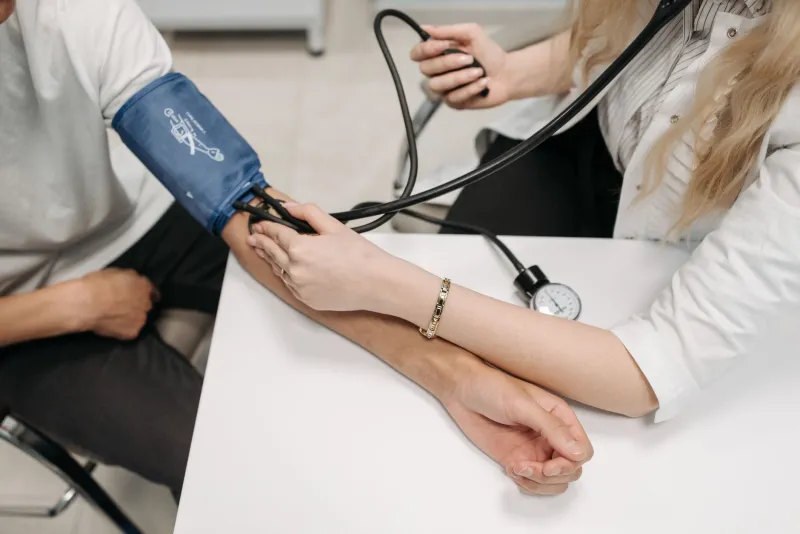
Despite robust clinical evidence connecting sleep apnea and erectile dysfunction, the two conditions are rarely evaluated together in standard primary care settings. A man presenting with ED is typically screened for cardiovascular risk, hormone levels, and psychological factors. A man presenting with snoring or daytime fatigue is referred for a sleep study. Rarely does one complaint prompt investigation of the other.
This diagnostic siloing has real consequences. A man may be prescribed a phosphodiesterase-5 inhibitor for ED without anyone asking whether he wakes gasping at night, whether his partner has noticed his breathing stop during sleep, or whether he feels unrefreshed after a full eight hours in bed. If the underlying apnea goes unaddressed, even effective medications may deliver disappointing results—not because the treatment is wrong, but because the physiological environment is working against it.
Additionally, many men with sleep apnea do not fit the stereotypical profile of an overweight, middle-aged man with a thick neck and obvious snoring. Lean men snore quietly. Women underreport their partners' symptoms. Apnea events in some individuals are subtle enough to escape casual notice. These factors contribute to a diagnostic gap that leaves many men treating symptoms while the root cause continues unchecked.
Recognizing the Warning Signs in Yourself
Because sleep apnea often goes unnoticed by the person experiencing it, self-identification requires attention to indirect signals. The following patterns, particularly when present alongside erectile dysfunction, warrant a conversation with a physician:
- Persistent morning fatigue despite adequate time in bed
- Waking with headaches, especially at the front or back of the skull, which may indicate overnight carbon dioxide buildup
- Frequent nighttime urination, a less-discussed but well-documented symptom linked to apnea-related changes in atrial pressure
- Mood disturbances, including irritability, low motivation, or depressive symptoms that do not respond to standard interventions
- Cognitive fog, including difficulty concentrating or retaining information during the day
- A partner's report of snoring, gasping, or observed breathing pauses during sleep
If three or more of these symptoms are familiar, the probability of an underlying sleep disorder is meaningful enough to justify formal evaluation.
The Diagnostic Process: What to Expect
Screening for sleep apnea has become considerably more accessible over the past decade. While in-laboratory polysomnography remains the gold standard—measuring brain activity, oxygen levels, heart rate, and breathing simultaneously throughout the night—home sleep testing devices now offer a clinically validated alternative for many patients. These portable monitors can be worn in one's own bed and return results within a few days.
If apnea is confirmed, the severity is classified by the apnea-hypopnea index (AHI), which measures the average number of breathing disruptions per hour. Mild, moderate, and severe classifications each carry different treatment implications, ranging from positional therapy and oral appliances to continuous positive airway pressure (CPAP) therapy.
CPAP therapy, in which a mask delivers a continuous stream of air to keep the airway open, remains the most effective treatment for moderate to severe OSA. Its benefits extend well beyond sleep quality. Multiple studies have documented improvements in testosterone levels, endothelial function, and erectile performance following consistent CPAP use. One study in Chest journal found that men who adhered to CPAP therapy for three months showed measurable improvements in sexual function scores compared to baseline—improvements that persisted and deepened over time.
Making Sleep Apnea Part of the ED Conversation
For men who are currently managing erectile dysfunction without satisfactory results, raising the question of sleep apnea with a urologist, internist, or men's health specialist is a medically sound and potentially transformative step. It is not a distraction from ED treatment—it may be the very thing that allows treatment to work as intended.
A comprehensive evaluation of erectile dysfunction should, by any reasonable clinical standard, include an assessment of sleep quality and respiratory health. If your current care has not included this, it is appropriate to request it.
Treating the whole person—rather than a single symptom—is what separates reactive medicine from genuinely effective health management. For men whose nights are interrupted by a silent, invisible disruption, naming that disruption may be the beginning of genuine recovery.